Electrical Contractor in San Angelo
Building a new home, adding a room or putting up a shop? We connect you with a licensed electrical contractor in San Angelo who bids from your plans, wires the job to the National Electrical Code, passes each City inspection and lines up permanent power with AEP Texas.
- Panel labeled at trim-out
- Written bid from your plans
- Rough-in and final inspections passed
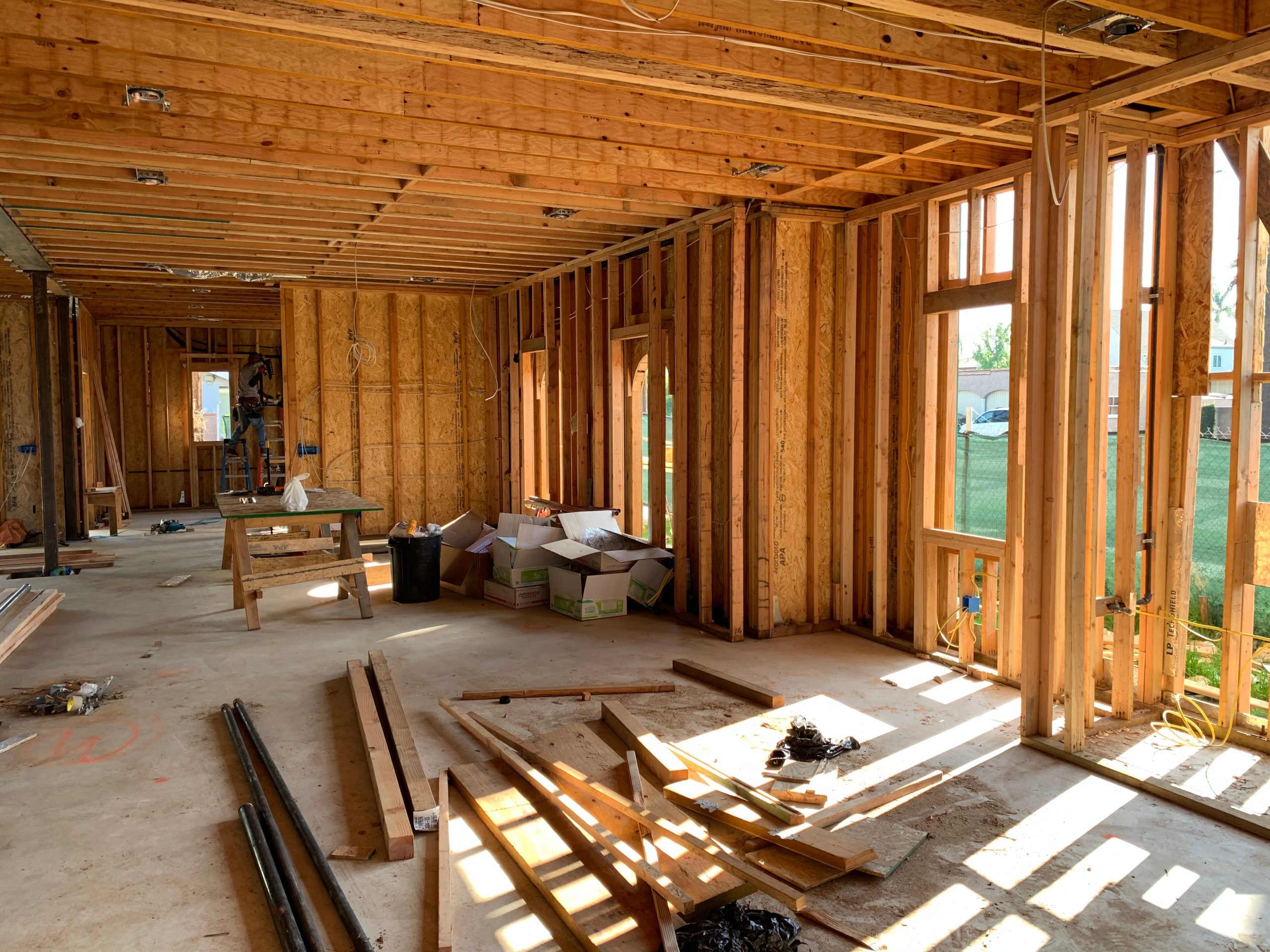
New construction electrical work runs on the builder’s schedule. The electrician shows up at four or five points in the build, and missing one, like conduit that should have been in the slab, costs real money later. This page is for home builders, owner-builders and anyone planning an addition, remodel, shop or barn in and around San Angelo. Work in an existing store or office is covered under commercial electrical service.
New Construction Electrical: Phases From Plans to Power
| Phase | What happens | Check point |
|---|---|---|
| 1. Plan review and load calculation | The plans are read for every circuit. A load calculation sizes the service, and the meter and panel locations get set. | Building permit and plan review |
| 2. Temporary power | A temporary service goes up near the future meter so the trades have power. Service is applied for through a retail electric provider, and AEP Texas must accept the application before it connects. | City inspection, then release to AEP Texas |
| 3. Slab and underground | Conduit for the service, kitchen island, floor boxes and any shop feed is set in the forms before the pour. | Before concrete |
| 4. Rough-in | Boxes set, cable pulled, panel mounted, smoke detector and low-voltage locations roughed in. | City rough-in inspection before insulation and drywall |
| 5. Trim-out | Receptacles, switches, fixtures and breakers installed, AFCI and GFCI protection tested, panel labeled. | After paint and cabinets |
| 6. Final inspection | The City inspector checks the finished work. | City final |
| 7. Permanent service | The City releases the job and AEP Texas sets the meter and connects the service. | AEP Texas |
Sources: City of San Angelo Building Permits and Inspections; AEP Meter and Service Guide.
A few rules from the utility side catch people off guard. The City will not release electric service to AEP Texas without a passing inspection. AEP’s service guide says to apply as far ahead as possible and to consult the utility before plans are made or equipment is bought. The meter socket must be a type AEP approves, the customer’s contractor furnishes the service entrance conductors and conduit, and dwelling services need a surge-protective device.
What Are You Building?
Floor plans with the electrical layout, the site plan showing where the meter can go, appliance and HVAC specs, and your lighting choices. Timing: load calculation before the permit, temporary power before framing, conduit before the slab pour, rough-in after framing, trim-out after paint, then final and permanent service.
Send Your PlansThe addition plan, a clear photo of your panel and its label, and what the new space will run (a mini-split, a bathroom, a laundry). Timing: the panel check comes first, because an older or full panel may need a panel upgrade before rough-in. Rough-in follows framing, final follows finishes.
Send Your PlansThe new cabinet layout, the appliance model numbers (range, cooktop, wall oven, microwave, disposal) and your lighting plan. Timing: rough-in happens after demolition and before new drywall, so the electrician needs to be booked with the cabinet and plumbing schedule.
Send Your PlansWhere the building sits, its size, and what it will run: welder, compressor, lift, mini-split, lights. Timing: the trench and conduit go in before the slab is poured. Outside city limits, see the section below on permits and utilities.
Send Your PlansThe metal building supplier’s drawings with door, window and girt locations, plus your equipment and lighting list. Timing: slab conduit before the pour, then wiring after the frame and before any liner panels go up.
Send Your PlansThe floor plan, the appliances (electric or gas), and whether you want it fed from the main house panel or on its own meter. That decision changes the whole job. Timing: same as a small new home, with a load check of the main house first.
Send Your PlansWhat Builders and Owners Send for an Electrical Bid
Plans
Floor plans with any electrical layout, and a site plan with the meter location and the nearest utility pole or transformer.
Equipment specs
Range, cooktop and oven, water heater type, HVAC tonnage and heat strips, dryer, well pump, welder, and whether an EV charger is planned.
Lighting layout
Recessed light counts, ceiling fans, exterior and landscape lighting, and how each room should switch. If you have not decided, a fixture allowance works.
Planning a charger in the garage? Wiring for it at rough-in is cheaper than adding it later; see EV charger installation. The same goes for a standby generator: decide on the transfer switch location before the service goes in.
What Changes the Price of a New Construction Electrical Bid
- Low voltage. Data, TV, security and doorbell wiring can be in the bid or left out.
- Changes after rough-in. Moving walls or adding lights after inspection means rework.
- Fixtures. Whether the bid includes fixtures or you buy them changes the number a lot.
- Device and circuit count. Every receptacle, switch, fixture and dedicated circuit is labor and material.
- Building type. Exposed wiring in a metal building takes conduit and more hours than cable in wood studs.
- Service size and distance. A 200 amp service close to the pole costs less than a larger service with a long underground run.
- Gas or all-electric. An electric range, dryer, water heater and heat strips mean bigger circuits and often a bigger service.
Mistakes that cost money on new builds:
- Placing the meter where the utility will not accept it.
- Pouring the slab before the conduit for the island, floor boxes or shop feed is in.
- Buying a three-phase machine or large panel before asking AEP Texas what service is available.
- Insulating or hanging drywall before the rough-in inspection passes. The City adds a $252 fee for work concealed before a required inspection.
Shops and Barns Outside San Angelo City Limits
Outside city limits the City of San Angelo permit usually does not apply, though the City’s fee schedule does list rates for some work outside city limits, so call Permits and Inspections at 325-657-4210 with your address. Texas counties have limited building authority. Tom Green County Environmental Health handles septic (OSSF) permits, floodplain development permits and subdivision review, so call them if your lot needs a septic system or sits in a mapped floodplain. Texas law lets counties adopt an order requiring new homes in unincorporated areas to meet the International Residential Code with private inspections; ask the county whether that applies before you build a house.
Two things do not change outside the city. First, TDLR is clear that anyone doing electrical work anywhere in Texas must be licensed, including unincorporated areas. Second, the utility still decides how you connect. Concho Valley Electric Cooperative serves rural areas around San Angelo, so your lot may be on the co-op instead of AEP Texas. The co-op requires a membership application, fees and in some cases a deposit before new service. Find out who serves your lot before you pick a building site.
No inspector does not mean no code. Wire a shop to the NEC anyway.
Metal Buildings and Slab Conduit
Metal shops, barns and barndominiums wire differently from wood-framed buildings. There are no stud cavities to hide cable, so wiring runs in conduit or listed cable along the girts, and boxes are mounted to the steel. Door and window locations need to be final before rough-in. The building steel gets bonded to the grounding system. Barns that house livestock fall under NEC Article 547 for agricultural buildings, which deals with dust, moisture and corrosive air.
Texas Electrical Contractor License
A company that contracts electrical work in Texas must hold a TDLR electrical contractor license and have a master electrician of record. Check any contractor on the TDLR license search. Owner-builders may do work on their own homestead under the Texas homeowner exemption, but the City still requires permits and inspections inside city limits. Read can a homeowner pull a permit before you plan to wire it yourself.
Electrical Contractor Questions
When should the electrician first see a new build?
Before the slab is poured. The load calculation, meter location and any conduit that comes up through the slab all have to be settled before concrete. Temporary power usually comes right after.
Do electricians work for builders and owner-builders?
Yes. The bid is the same either way: written, from the plans, with the City permit and inspections included.
Who requests power from AEP Texas for a new house?
Service is applied for through a retail electric provider, and AEP Texas must accept the application. The electrical contractor handles the meter base, service conduit and inspection, and the City releases the job to AEP Texas only after it passes.
Do I need a permit to wire a shop outside the city limits?
Usually not from the City, though its fee schedule covers some work outside city limits, so check your address with City Permits and Inspections. Tom Green County Environmental Health lists septic, floodplain and subdivision review, not electrical permits. The electrician still has to be TDLR licensed, and the utility, often AEP Texas or Concho Valley Electric Cooperative, sets its own rules for new service.
Can an electrician wire a metal building or barndominium?
Yes. Plan on conduit or listed cable along the girts, boxes mounted to the steel, bonded building steel, and all slab conduit set before the pour.
How is a new construction electrical bid priced?
Item by item from the plans: service, circuits, devices, fixtures and extras like low voltage, not a flat price per square foot.